
Foundation Crack Repair : Columbia, TN
Polyurethane Crack Injection in Columbia, TN
Polyurethane crack injection in Columbia, TN. Leaking foundation cracks sealed with flexible foam. Call +1 (844) 468-2611.
Flexible SealStops Active LeaksWritten Scope First
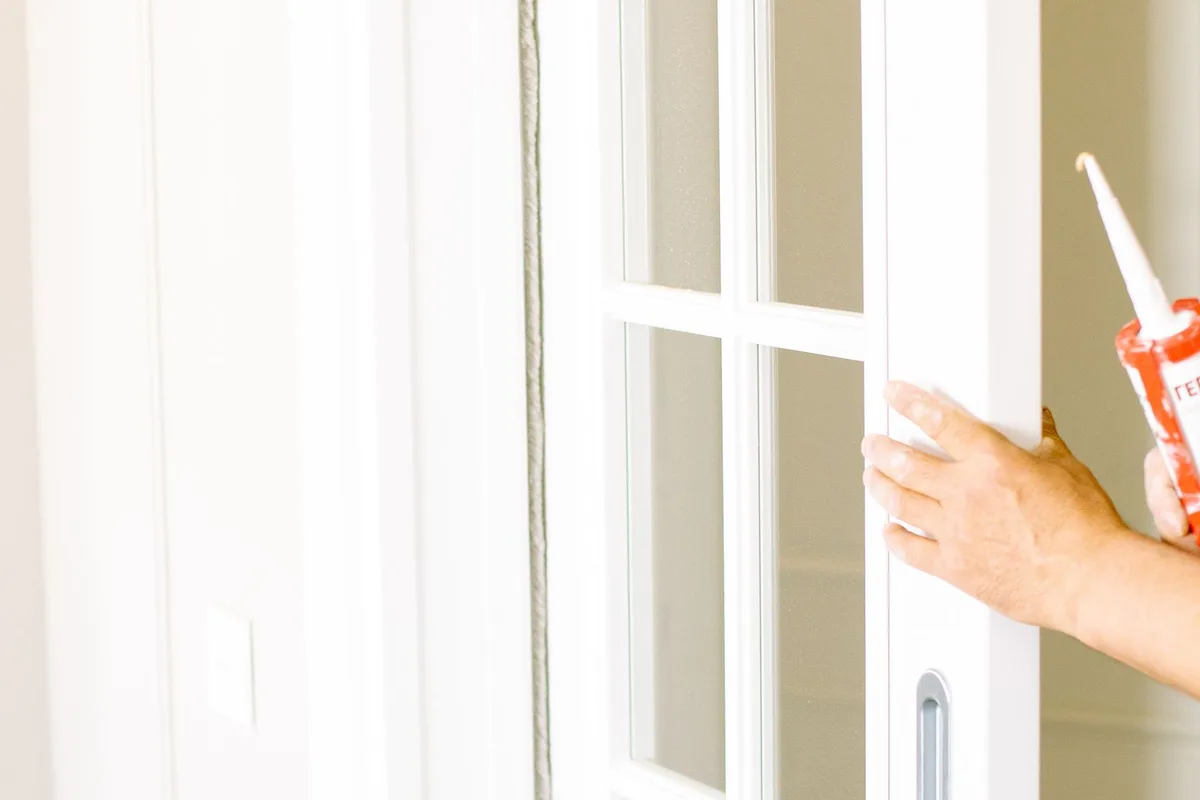
Polyurethane injection is the sealing fix for a crack that leaks: a resin is injected into the crack, expands into a foam that fills every void, and stays flexible as the wall moves with the seasons.
Some cracks leak. After a heavy rain, water finds the crack in a basement or crawl space wall and comes through as a drip, a damp line or a puddle at the footing, and it comes back every wet season until the crack is sealed through its full depth. Polyurethane injection is made for that crack: a liquid resin is injected under low pressure, and as it meets moisture it expands into a foam that fills the crack completely, including the voids and rough edges a surface sealant can never reach.
The foam stays flexible after it cures, which is the point. Columbia clay swells in the wet months and shrinks in the dry ones, and a wall moves a little with it; a rigid fill can crack again at the next season change, while a flexible foam seal moves with the wall. One distinction matters and this page states it plainly: polyurethane crack injection seals a crack in a wall, which is not the same job as polyurethane slab lifting, where foam is pumped under a slab to raise it. Competitors in Columbia sell the lifting version under brand names, but none names crack injection as a service. For the structural alternative, see epoxy crack injection.
Maury Foundation Pros takes calls across Columbia, Tennessee, in ZIP codes 38401 and 38402, from Riverside and Historic Downtown to Graymere, Sunnyside and Bear Creek Overlook. The technicians are local, the cracks are measured and named in writing, and every job is quoted in writing before work begins.
Signs Polyurethane Injection Is the Right Fix
- A crack that leaks water after rain
- A damp line or puddle at the base of a wall
- A crack that opens a little in the wet season
- A crack in a wall that moves slightly with the seasons
- A previous rigid repair that cracked open again
Polyurethane or Epoxy?
Polyurethane is the choice when the crack leaks or may move: it expands, seals against water and stays flexible. Epoxy is the choice when the crack is stable and the wall needs its strength back: it bonds the concrete into one piece. The inspection names the crack type and whether it leaks, and the material follows from that. A crack that is both leaking and structural may need epoxy first and a flexible seal over it, and the scope will say so.
How the Visit Works
- Measure and check the leak. The crack is measured and the leak path is traced before anything is injected.
- Set the ports. Small injection ports are fixed along the crack at regular intervals.
- Seal the surface. The face of the crack is sealed so the resin expands through the wall, not out of it.
- Inject the resin. Polyurethane is injected port by port until foam appears along the full crack.
- Trim and record. Excess foam is trimmed, the surface is finished, and the repair is recorded in the findings.
What This Service Includes
- Expands to fill the full crack
- Flexible seal that moves with the wall
- Stops active water leaks
What a Visit Looks Like
Every visit follows the same order. The technician walks the foundation inside and out with a tape and a level, measures the crack, its width, length and direction, photographs it, and checks whether it is moving. The foundation type is noted, slab, crawl space or basement, and the soil and drainage around the house are looked at, because the cause is usually outside the wall, not in it. You get the findings in writing, with the crack type named, the likely cause stated and the next step clear.
When the work is done, the repair is rechecked against the same measurements, and the findings are updated in writing. Injection jobs are finished the same visit in most cases, and bracing and pier work is rechecked after the next wet season, when the clay has had its say. You get the written findings and the photographs for your records, and the house is left with the crack sealed, braced or supported as the scope described.
What Polyurethane Crack Injection Costs
Nationally, crack injection typically runs $250 to $800 per crack, and a second 2026 guide puts polyurethane at $350 to $900 per crack. Those are national figures, not Columbia prices. The written scope states the exact figure for your crack before work starts.
Keeping an Injected Crack Dry
A sealed crack stays sealed when the water is carried away from the wall: gutters clean, downspouts extended away from the foundation, and soil graded to fall away from the house. Check the repair after the next heavy rain; a dry wall after a storm is the proof the seal held. If the crack ever leaks again, call and say so, because a new leak means the wall moved and the crack deserves another look.
Common Questions
Does polyurethane injection work on an actively leaking crack?
Yes. That is the job it is made for: the resin reacts with the moisture in the crack and expands to fill it, so it seals even while water is coming through. The injection is done from inside, with no digging outside.
How long does the foam seal last?
A properly injected polyurethane seal lasts for years, because the foam stays flexible and moves with the wall through the wet and dry seasons. What shortens its life is water pressure from outside, which is why grading and downspouts matter as much as the injection.
Is this the same as foam slab lifting?
No. Slab lifting pumps foam under a concrete slab to raise it. Crack injection puts foam inside a crack in a wall to seal it. The material is similar and the job is different, and this page is about the crack, not the slab.
Questions about this service, or a crack doing something else entirely? Call +1 (844) 468-2611. A Columbia technician will walk through what the crack looks like and what it needs.
Call Maury Foundation Pros
A crack in a Columbia foundation wall. Describe it and a technician will measure the crack, name its type and quote the repair in writing.