
Foundation Crack Repair : Columbia, TN
Foundation Pier Installation in Columbia, TN
Foundation pier installation in Columbia, TN. Settling foundations lifted and held on steel piers. Call +1 (844) 468-2611.
Settlement RepairEngineer PlanLift in Small Steps
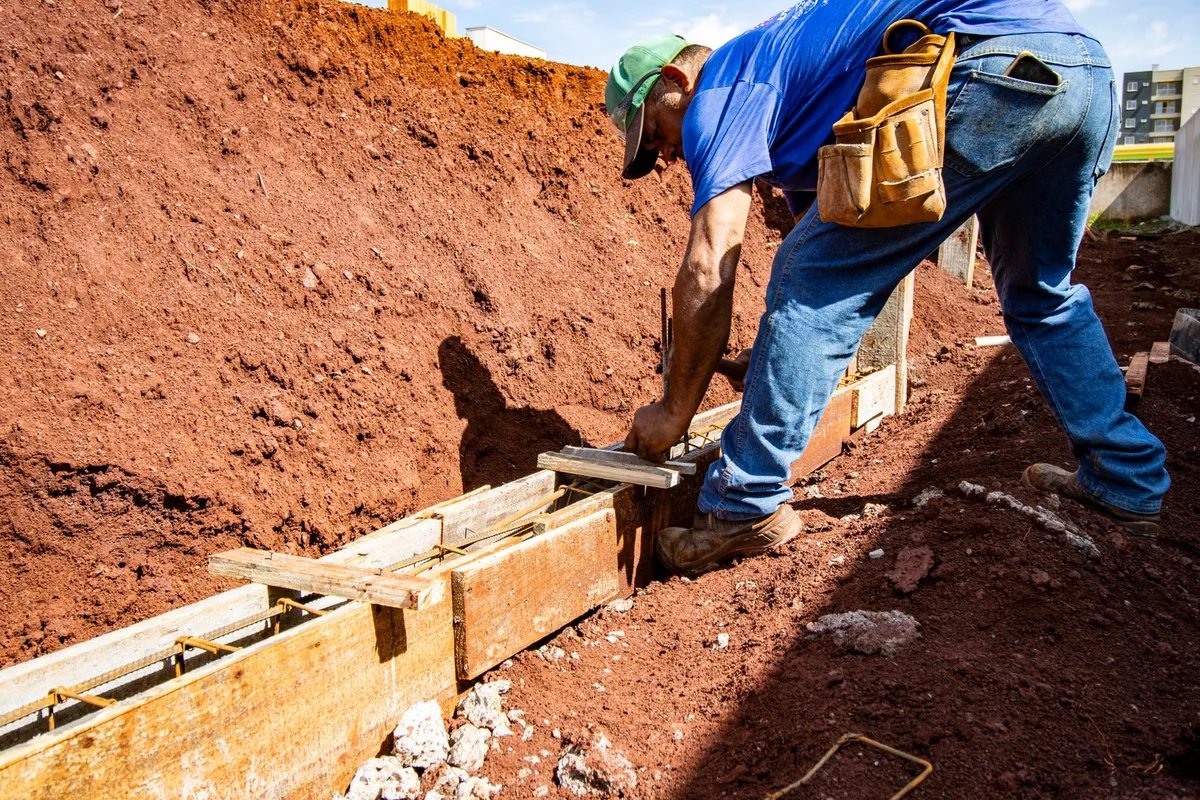
Piers are the fix for a foundation that is settling: steel piers are driven through the clay to stable soil or bedrock, and the house is lifted back toward level in small, measured steps.
A foundation settles when the soil under it gives way: clay that shrinks in a drought, soil that was never compacted properly, or a footing that sits on fill instead of firm ground. The signs show upstairs before they show at the footing: doors that stick, floors that slope, cracks that widen at the top, and stair-step cracks climbing the blockwork. Piers fix the cause, not the symptom. A steel pier is driven through the weak soil to a stable layer, the foundation is attached to it, and the house is lifted back toward level in small steps, with the lift measured at every pier.
Installation through Maury Foundation Pros starts with a structural engineer plan, because the number of piers, their type and their placement are engineering decisions, not guesses. Push piers are driven by the weight of the house itself and suit heavier structures; helical piers are screwed into the soil and suit lighter loads and tighter access. The work is done from outside, in small excavations at the footing, and the lift is done slowly, a fraction at a time, because a fast lift cracks plaster and pops windows. The cracks that settlement caused are sealed only after the lift is finished. For the crack types that point to settlement, see stair-step crack repair.
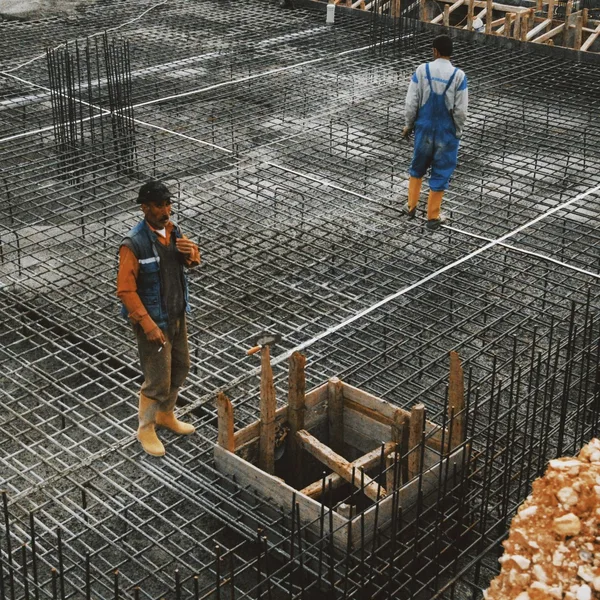
Maury Foundation Pros takes calls across Columbia, Tennessee, in ZIP codes 38401 and 38402, from Riverside and Historic Downtown to Graymere, Sunnyside and Bear Creek Overlook. The technicians are local, the cracks are measured and named in writing, and every job is quoted in writing before work begins.
Signs Your Foundation Needs Piers
- Doors and windows that stick across the house
- Floors that slope or feel uneven underfoot
- Cracks wider at the top than at the bottom
- Stair-step cracks that keep growing
- A corner of the house visibly lower than the rest
Push Piers or Helical Piers?
Push piers are driven by the weight of the house, so they suit heavier two-storey homes and are tested by the load they carry. Helical piers are screwed into the soil like a large screw, so they suit lighter homes and tight access where driving equipment cannot reach. The engineer plan states which type fits your house and how many are needed, and the scope prices that plan, not a guess.
How the Visit Works
- Engineer plan first. A structural engineer states the pier type, count and placement.
- Expose the footing. Small excavations are dug at each pier point, outside the house.
- Drive the piers. Each pier is driven or screwed to stable soil or bedrock and load tested.
- Lift in small steps. The house is lifted a fraction at a time, measured at every pier.
- Seal and recheck. Settlement cracks are sealed after the lift, and the level is rechecked after the wet season.
What This Service Includes
- Push piers and helical piers
- Driven to stable soil or bedrock
- Lifted in small, measured steps
What a Visit Looks Like
Every visit follows the same order. The technician walks the foundation inside and out with a tape and a level, measures the crack, its width, length and direction, photographs it, and checks whether it is moving. The foundation type is noted, slab, crawl space or basement, and the soil and drainage around the house are looked at, because the cause is usually outside the wall, not in it. You get the findings in writing, with the crack type named, the likely cause stated and the next step clear.
When the work is done, the repair is rechecked against the same measurements, and the findings are updated in writing. Injection jobs are finished the same visit in most cases, and bracing and pier work is rechecked after the next wet season, when the clay has had its say. You get the written findings and the photographs for your records, and the house is left with the crack sealed, braced or supported as the scope described.
What Foundation Pier Installation Costs
Nationally, steel push piers typically run $1,000 to $3,000 per pier, helical piers $2,000 to $4,000 per pier, and a whole underpinning job of about ten piers typically runs $10,000 to $30,000. One foundation company's published range puts pier installation at $3,000 to $15,000. Those are national figures, not Columbia prices, and the engineer plan sets the exact count before work starts.
Keeping a Piered Foundation Stable
Piers hold a house steady, but the soil around them still moves with the seasons, so the habits matter: keep the soil moisture even around the house, grade the soil away from the foundation, and keep gutters and downspouts carrying water away from the walls. Check the doors and floors each season, because a door that starts sticking again is the earliest sign that something has moved, and an early call is a small job.
Common Questions
How deep do foundation piers go?
Until they reach stable soil or bedrock, which in Middle Tennessee can be a considerable depth through clay. The depth is decided by the load test at each pier, not by a fixed number, and the engineer plan states what was found at your house.
Will pier installation damage my house?
The lift is done in small, measured steps precisely so it does not crack plaster or pop windows. Some minor cosmetic cracking can happen during any lift, and the scope will state what is covered and what is not before work starts.
How long does a pier job take?
Most residential pier jobs run several days: a day or two to expose the footings and drive the piers, a day for the lift, and time to backfill and seal the settlement cracks. The written scope states the schedule before work begins.
Questions about this service, or a crack doing something else entirely? Call +1 (844) 468-2611. A Columbia technician will walk through what the crack looks like and what it needs.
Call Maury Foundation Pros
A crack in a Columbia foundation wall. Describe it and a technician will measure the crack, name its type and quote the repair in writing.