
Foundation Crack Repair : Columbia, TN
Horizontal Foundation Crack Repair in Columbia, TN
Horizontal foundation crack repair in Columbia, TN. Soil pressure cracks assessed by an engineer, then braced. Call +1 (844) 468-2611.
Most Serious CrackEngineer FirstBracing and Anchors
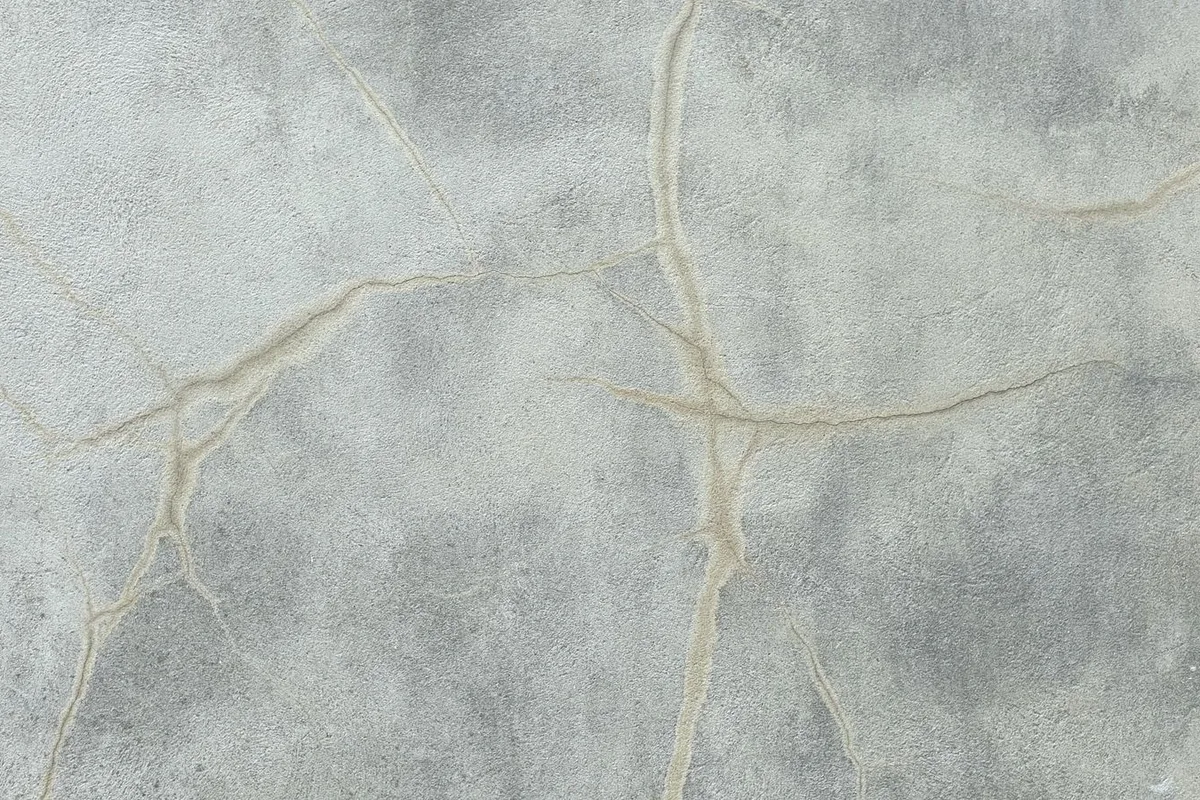
A horizontal crack runs sideways across a foundation wall, and it is the crack that matters most. It means the soil outside is pressing the wall inward, and filling it without removing the pressure only hides the problem.
A horizontal crack is read differently from every other crack, because its cause is different. It runs sideways across a basement or crawl space wall, usually at the frost line or near the middle of the wall, and it means the soil outside has swollen with water and is pressing the wall inward. In Columbia that soil is expansive clay, which swells hard in the wet late-winter and spring months and pushes against every wall it touches. A horizontal crack is the wall telling you it is losing that push.
Repair through Maury Foundation Pros starts with a structural engineer, not with a tube of filler. The engineer measures the bow, states whether the wall can be braced in place or needs anchors, and writes the plan the repair follows. The fix is then bracing, carbon fiber straps or steel I-beams that hold the wall straight, or wall anchors that pull it back toward the soil outside, and the crack itself is sealed only after the wall is stabilized. Filling a horizontal crack without bracing the wall is the one shortcut this site will not sell. The InterNACHI guide to inspecting foundation walls and piers explains the same rule: horizontal cracks are read as soil pressure, not settlement, and they need an engineer.
Maury Foundation Pros takes calls across Columbia, Tennessee, in ZIP codes 38401 and 38402, from Riverside and Historic Downtown to Graymere, Sunnyside and Bear Creek Overlook. The technicians are local, the cracks are measured and named in writing, and every job is quoted in writing before work begins.
Signs a Horizontal Crack Needs Urgent Attention
- A crack running sideways across a wall
- A wall leaning or bowing inward
- A horizontal crack wider than 1/8 inch
- Block courses that have shifted or stepped out
- Doors and windows binding on the same wall
Fill It or Brace It?
Brace it, and fill it only after. A horizontal crack is a pressure problem, not a sealing problem, and the pressure is still there after the filler cures. The wall is measured for bow first, the engineer states the fix, and the bracing or anchors go in before the crack is sealed. A filled horizontal crack with no bracing is a crack that will open again at the next wet season, wider than before.
How the Visit Works
- Measure the bow. The wall is measured for lean and bow, and the crack is photographed.
- Get the engineer plan. A structural engineer states the fix: straps, beams or anchors.
- Install the bracing. Carbon fiber straps, steel I-beams or wall anchors hold the wall straight.
- Seal the crack. Only after the wall is stabilized is the crack itself sealed.
- Monitor the wall. The bow is rechecked after the next wet season to prove it has stopped moving.
What This Service Includes
- Structural engineer first, always
- Wall movement measured and recorded
- Bracing or anchors, not just filler
What a Visit Looks Like
Every visit follows the same order. The technician walks the foundation inside and out with a tape and a level, measures the crack, its width, length and direction, photographs it, and checks whether it is moving. The foundation type is noted, slab, crawl space or basement, and the soil and drainage around the house are looked at, because the cause is usually outside the wall, not in it. You get the findings in writing, with the crack type named, the likely cause stated and the next step clear.
When the work is done, the repair is rechecked against the same measurements, and the findings are updated in writing. Injection jobs are finished the same visit in most cases, and bracing and pier work is rechecked after the next wet season, when the clay has had its say. You get the written findings and the photographs for your records, and the house is left with the crack sealed, braced or supported as the scope described.
What Horizontal Crack Repair Costs
Nationally, wall reinforcement and stabilisation typically runs $4,000 to $12,000, and a structural engineer foundation inspection typically runs $300 to $750. Those are national figures, not Columbia prices. The engineer plan sets the exact scope, and the written scope states the exact figure before work starts.
Relieving the Pressure on a Wall
The pressure behind a horizontal crack comes from water in the soil, so the long-term fix includes drainage: gutters clean, downspouts extended well away from the foundation, and grading that carries water away from the wall. A wall that has been braced should still be checked after each wet season, because the clay will push again, and the check is what proves the bracing is holding.
Common Questions
Are horizontal foundation cracks serious?
Yes. A horizontal crack is the most serious crack type, because it means soil pressure is pushing the wall inward. It needs a structural engineer before any repair, and the fix is bracing or anchors, not filler alone.
Can a horizontal crack be repaired from the inside?
Yes, in most cases. Carbon fiber straps and steel I-beams are installed from inside the basement or crawl space, and wall anchors are set through the wall to the soil outside. The engineer plan states which method fits your wall.
Will my wall need to be replaced?
Rarely. Most bowing walls can be braced or anchored in place once the movement is measured and the engineer plan is followed. Replacement is the last resort, for a wall that has moved too far to hold, and the engineer will say so plainly if that is the case.
Questions about this service, or a crack doing something else entirely? Call +1 (844) 468-2611. A Columbia technician will walk through what the crack looks like and what it needs.
Call Maury Foundation Pros
A crack in a Columbia foundation wall. Describe it and a technician will measure the crack, name its type and quote the repair in writing.