
November 25, 2026
The First Question Is Always the Same
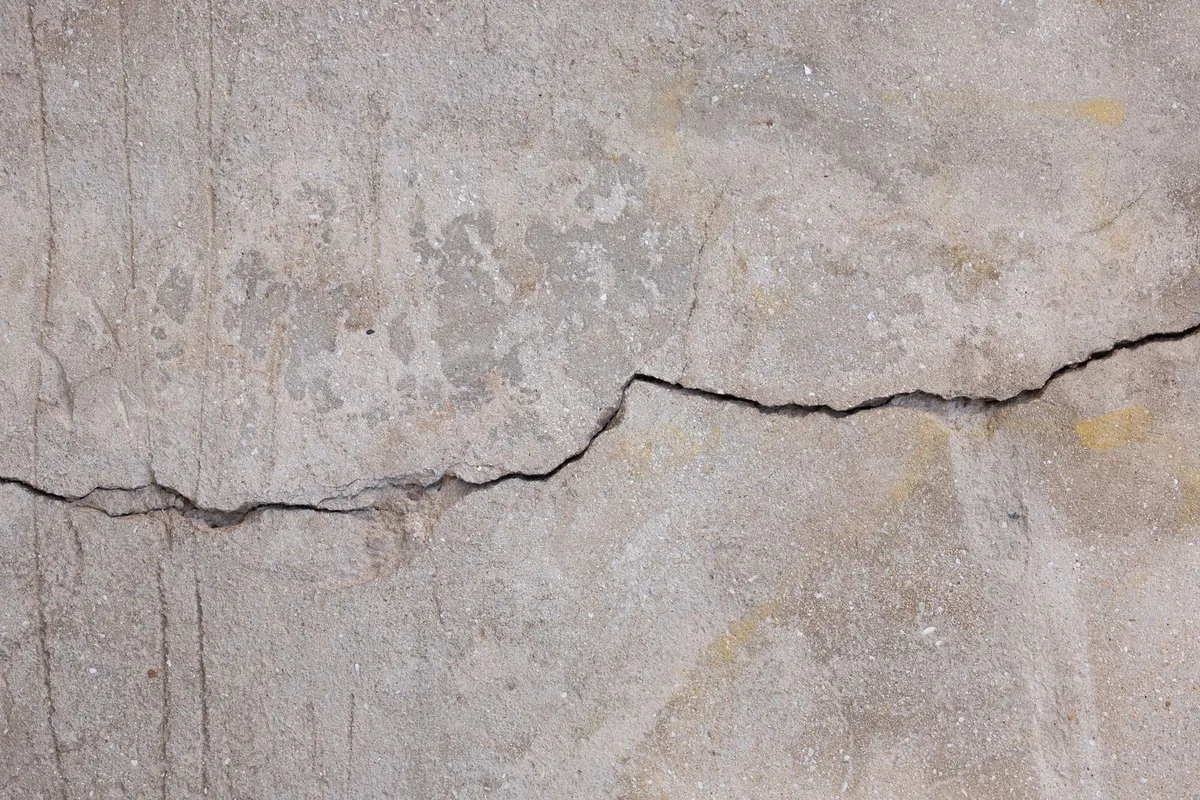
Every Columbia homeowner who finds a crack in a foundation wall asks the same first question: does this matter? The answer is not always yes, and it is not always no, and the difference between the two is measured, not guessed at. This guide walks through the thresholds the inspection manuals use, hairline versus wide, vertical versus horizontal, stable versus growing, so a crack can be judged at home and the right call made: watch it, seal it, or call a structural engineer before anything else.
Hairline Cracks: Usually Shrinkage
Hairline vertical cracks under 1/8 inch wide are usually shrinkage, the concrete contracting as it cures, and they are often cosmetic. Cracking in residential foundation walls is, in the words of the inspection manuals, inevitable and expected, because concrete shrinks and the ground under a house moves a little every year. A hairline crack that is dry, stable and under 1/8 inch wide is the crack to watch, not the crack to fear: mark both ends with a pencil, write the date beside it, and check it after the next wet season.
The 1/8 to 1/4 Inch Band: Time for a Professional Look
A crack from 1/8 to 1/4 inch wide deserves a professional look, even when it runs vertically. At that width the crack is wide enough to carry water after rain, wide enough to show offset edges if the wall is moving, and wide enough that the cause deserves naming rather than assuming. The inspection measures it, checks it against a dated mark, and states in writing whether it is shrinkage, settlement or soil pressure, and the fix follows from that answer.
Over 1/4 Inch: Call a Structural Engineer First
Any crack over 1/4 inch wide needs a structural engineer before any repair, whatever direction it runs. At that width the wall has moved enough that the cause must be understood before the fix is chosen, and injection alone will not answer the question. The engineer measures the wall, states whether it can be braced or needs piers, and writes the plan the repair follows. A structural engineer foundation inspection nationally runs $300 to $750, which is the cheapest certainty a foundation job can buy.
Horizontal Cracks: The Serious Kind
Horizontal cracks are the serious kind, at any width. A crack that runs sideways across a wall means the soil outside is pressing the wall inward, and in Columbia that soil is expansive clay, which swells hard in the wet late-winter and spring months. The InterNACHI guide to inspecting foundation walls and piers reads horizontal cracks as soil pressure, not settlement, and the same rule holds here: a horizontal crack needs an engineer first, then bracing or anchors, and filling it without bracing the wall only hides the problem until the next wet season.
Stair-Step Cracks: Read the Direction
Stair-step cracks follow the mortar joints in block or brick walls, and they are read by direction: the steps point toward the side that is settling. A narrow stair-step crack in a wall that has stopped moving is often a one-visit injection job with the joints repointed. A wide or growing stair-step crack, or one that is wider at one end than the other, means settlement is still happening, and the fix is piers under the dropping corner, not filler in the joints. The direction of the steps is the diagnosis, which is why the inspection photographs them.
Active or Stable: The Pencil Test
The difference between an active crack and a stable one is movement, and the test is a pencil. Draw a line across both ends of the crack, write the date beside it, and measure the width with a ruler. Check it after the next heavy rain and after the next dry spell, because Columbia clay moves with the seasons. A mark that has not moved in a year is a stable crack. A mark that has moved is an active crack, and it is time to call, because a crack that is still moving will open any repair put into it.
Other Red Flags Worth Knowing
Width and direction are not the only signs. Offset edges, where one side of a crack sits higher than the other, mean the wall has shifted, not just cracked. A wall that bows inward, even slightly, means the soil is winning the push. Doors and windows that bind on the same wall, floors that slope, and cracks that appear beside a window or door opening are all signs the foundation is moving, not just the wall. Any one of these deserves an inspection in writing, and two together deserve an engineer.
What to Do First When You Find a Crack
First, do not panic, and do not fill it yet. Measure it with a ruler, photograph it with something for scale, and mark both ends with a pencil and the date. Note whether it leaks after rain, whether the wall bows, and whether doors and windows bind nearby. Then call +1 (844) 468-2611 and describe what you found: the width, the direction and whether it is growing. The visit starts with measuring, and the findings come in writing, with the crack named, the cause stated and the next step clear, so the worry ends with a number, not a guess.
About Maury Foundation Pros
Maury Foundation Pros connects Columbia, Tennessee homeowners with local foundation crack repair technicians for inspection, injection, bracing and piers across ZIP codes 38401 and 38402. Every job is measured first, quoted in writing before work begins, and finished with the findings in writing. Call +1 (844) 468-2611, around the clock.
Call Maury Foundation Pros
Foundation cracks in Columbia, TN. Describe the crack and a technician will measure it, name its type and quote the repair in writing.